IN SEARCH OF SOME PHANTOM
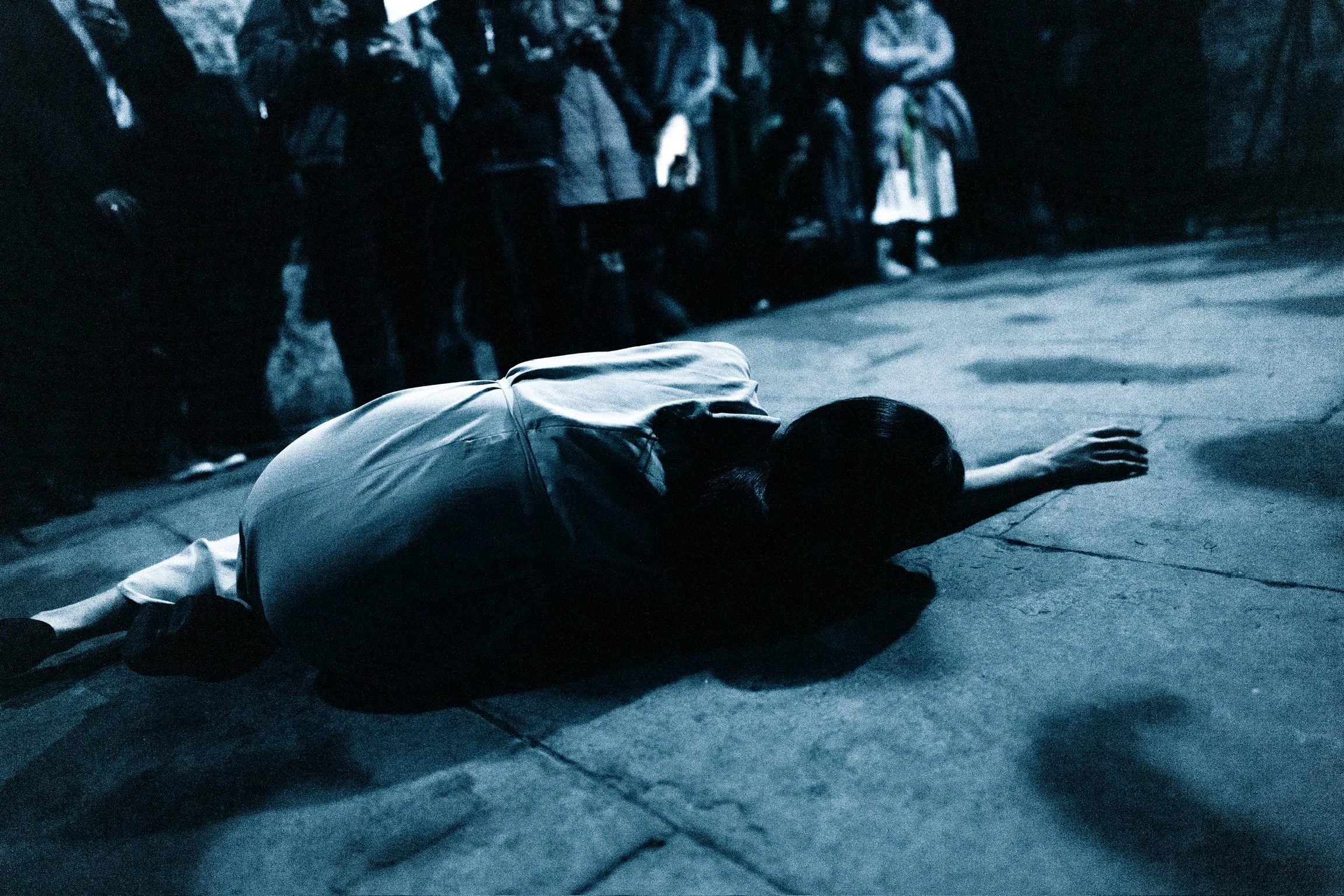
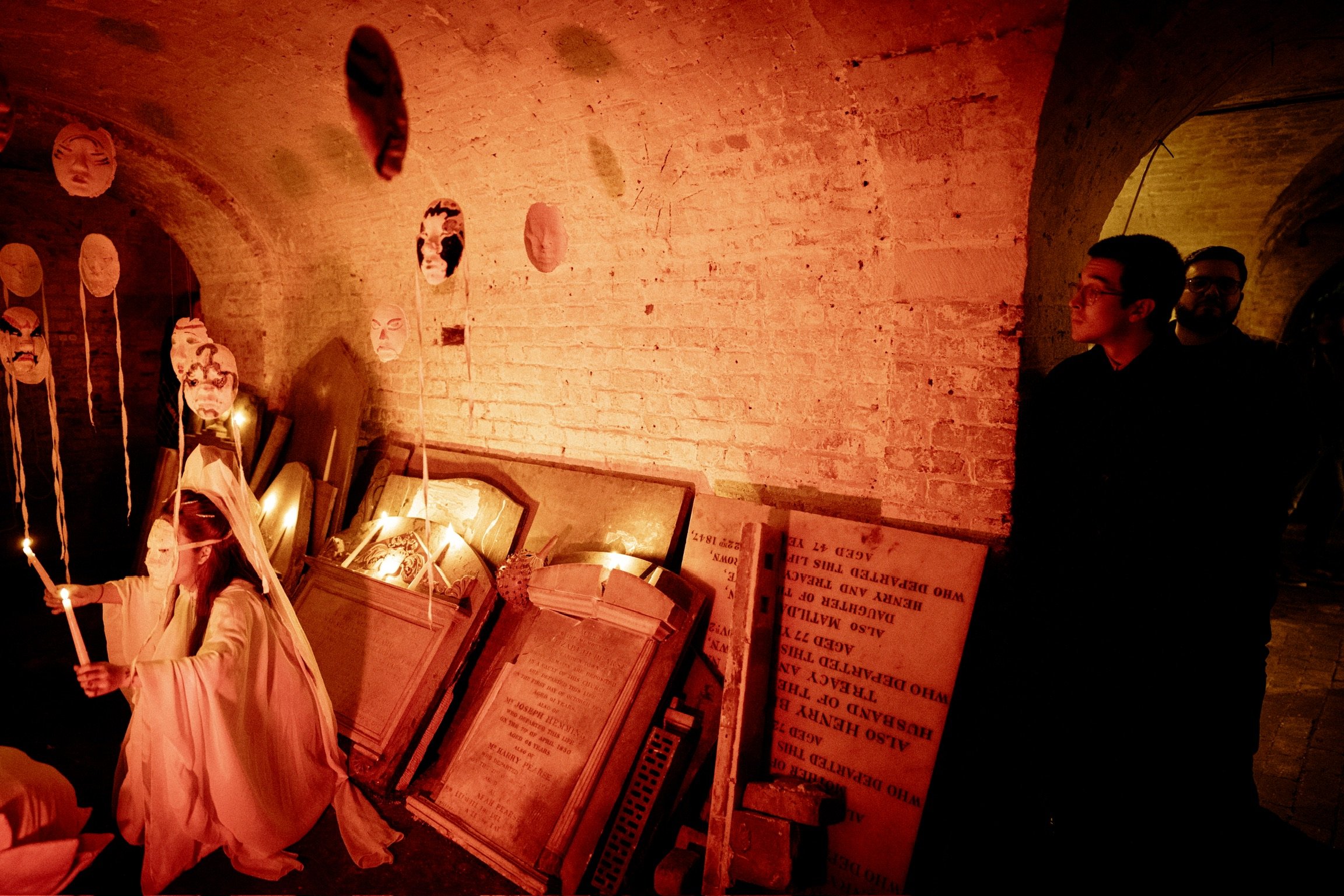
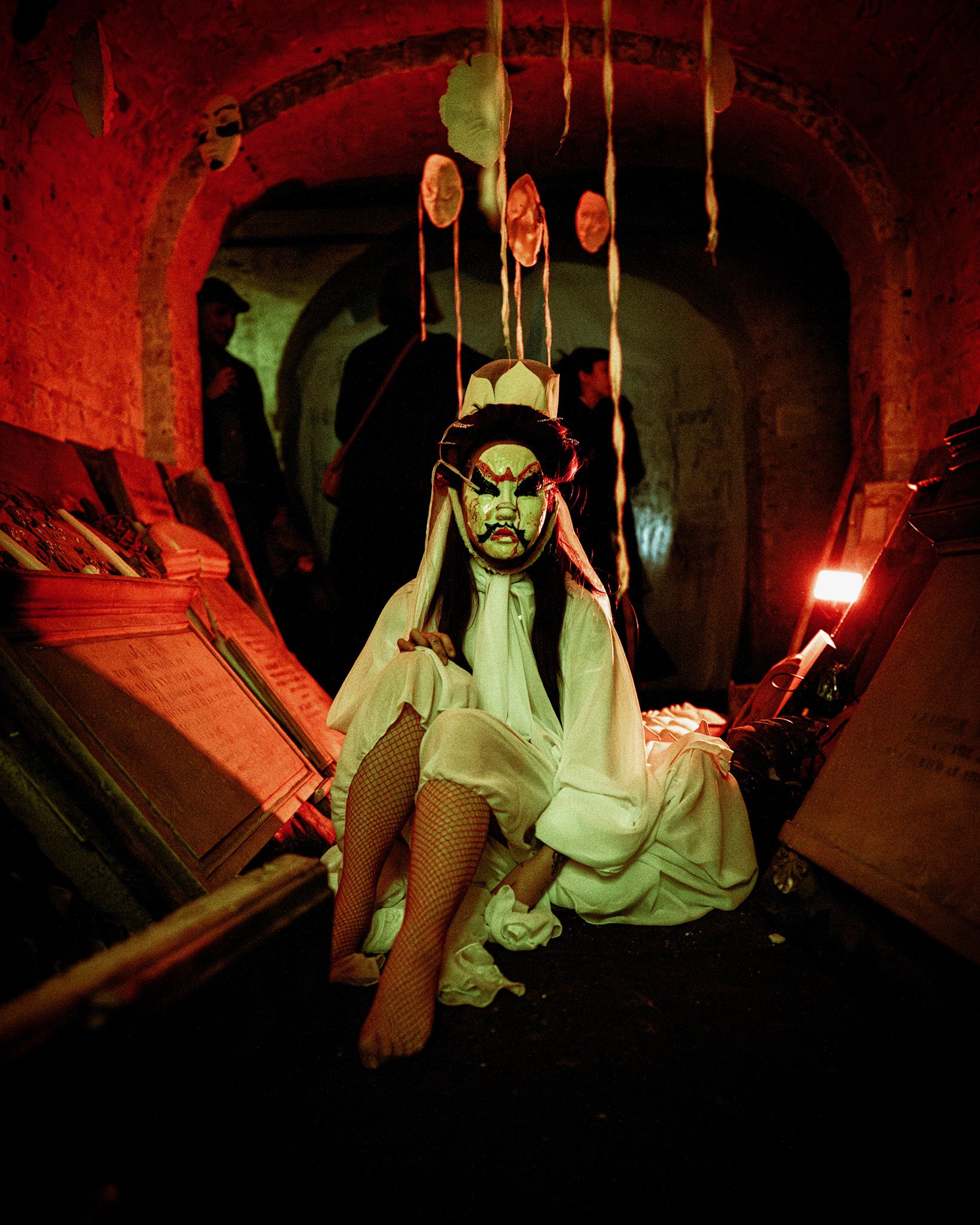
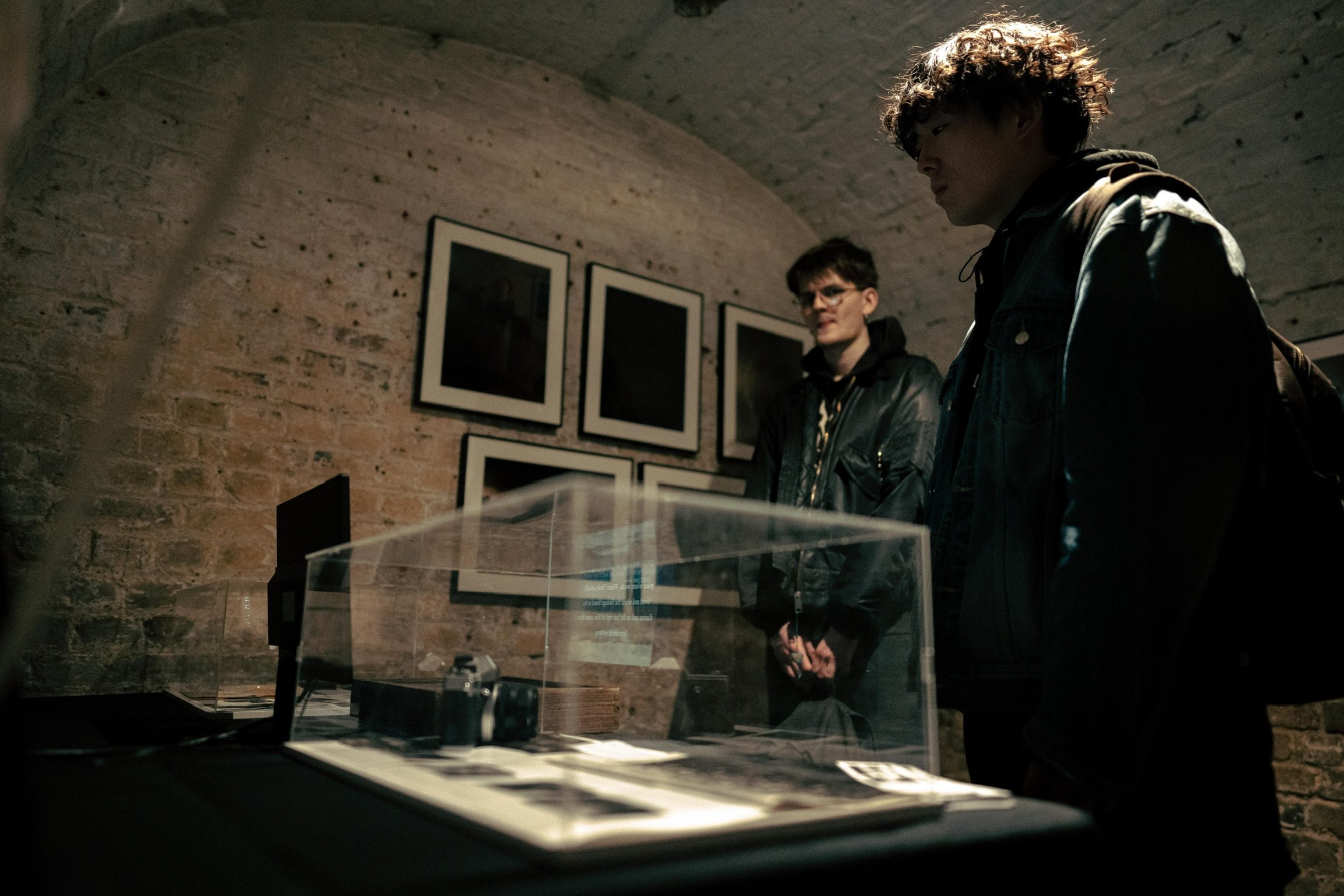
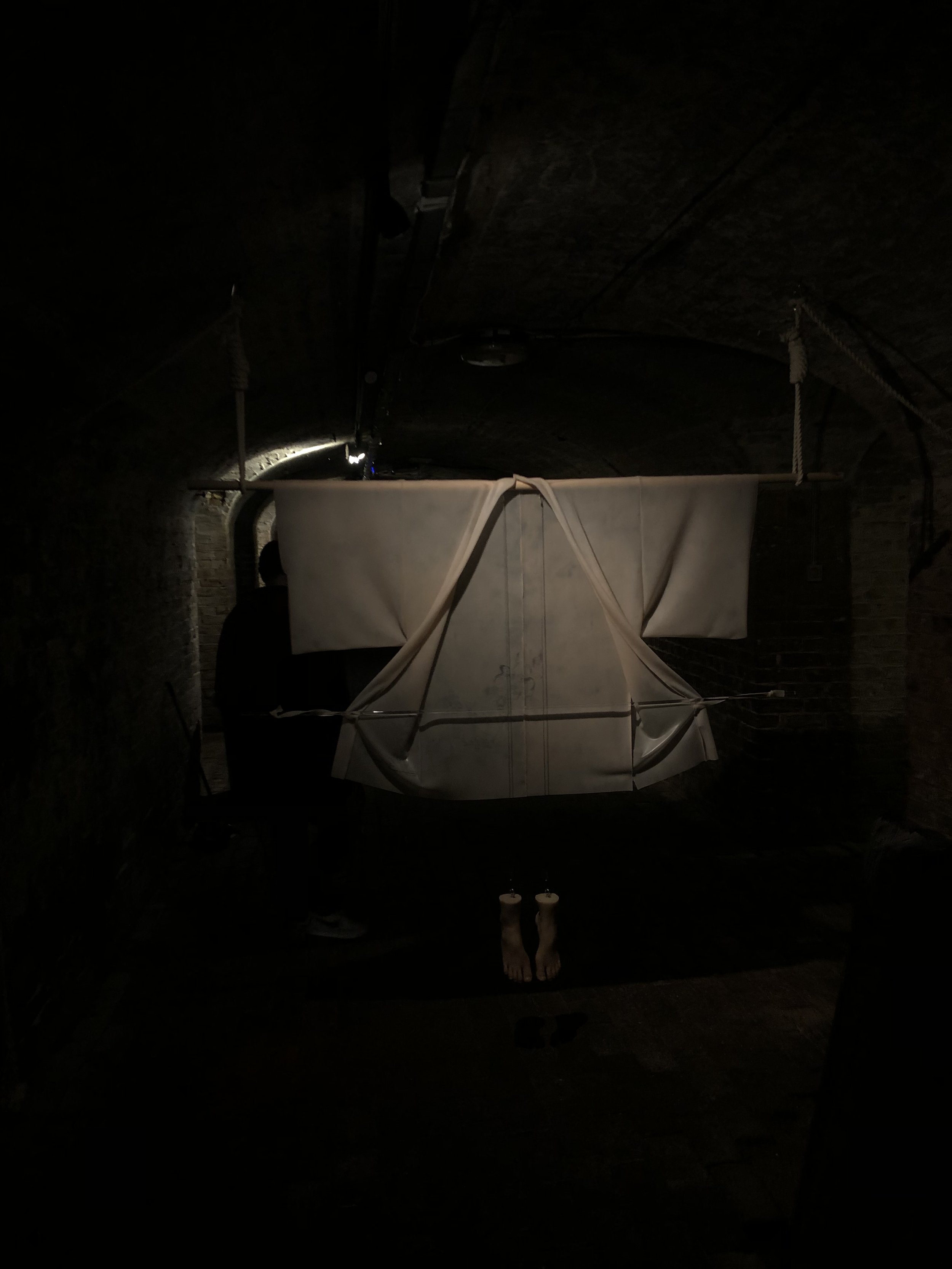
Lending it’s title from Marcel Proust’s ‘In Search of Lost Time’, this exhibition set out to investigate Time as a subjective experience, one entangled with personal, political, and religious thought. Located in an underground crypt in London, the show presented a haunting, explorative experience of the theme with works situated through the passages of old tunnels. The show featured twenty-one artists from around the world, spanning practices of information experience design, sculpture, scent, performance, photography, and more.
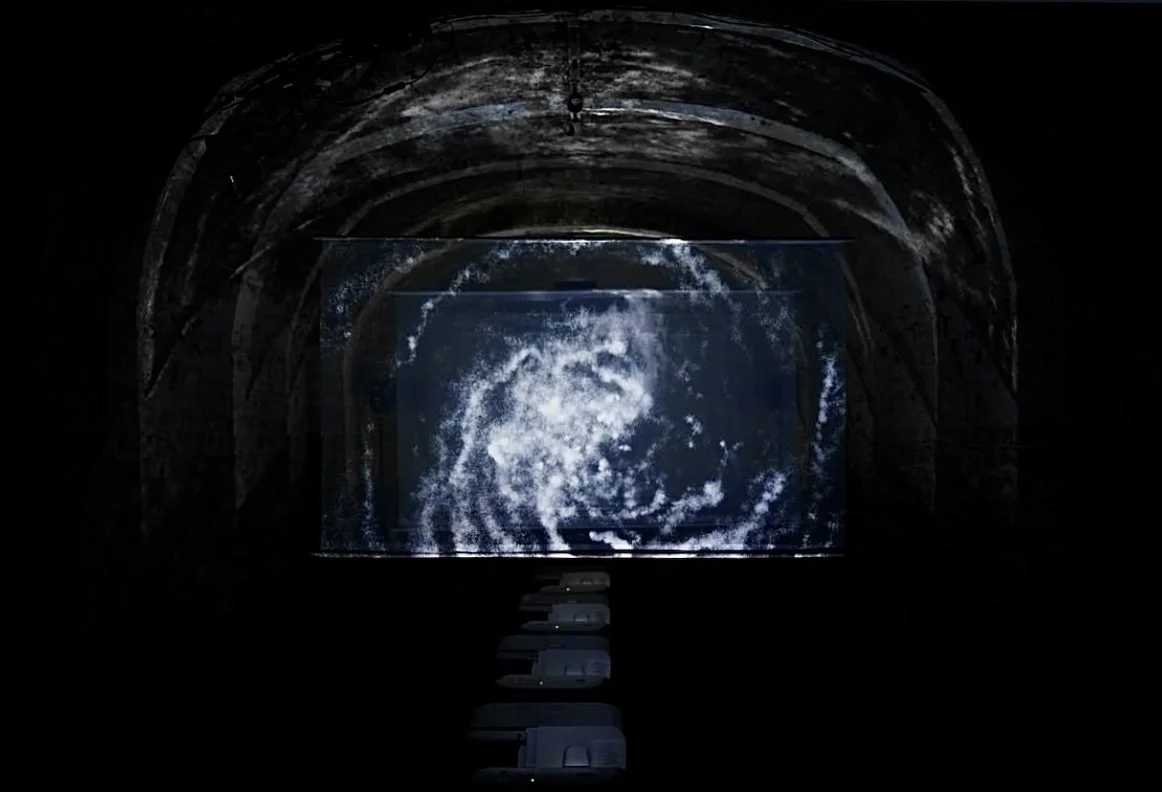
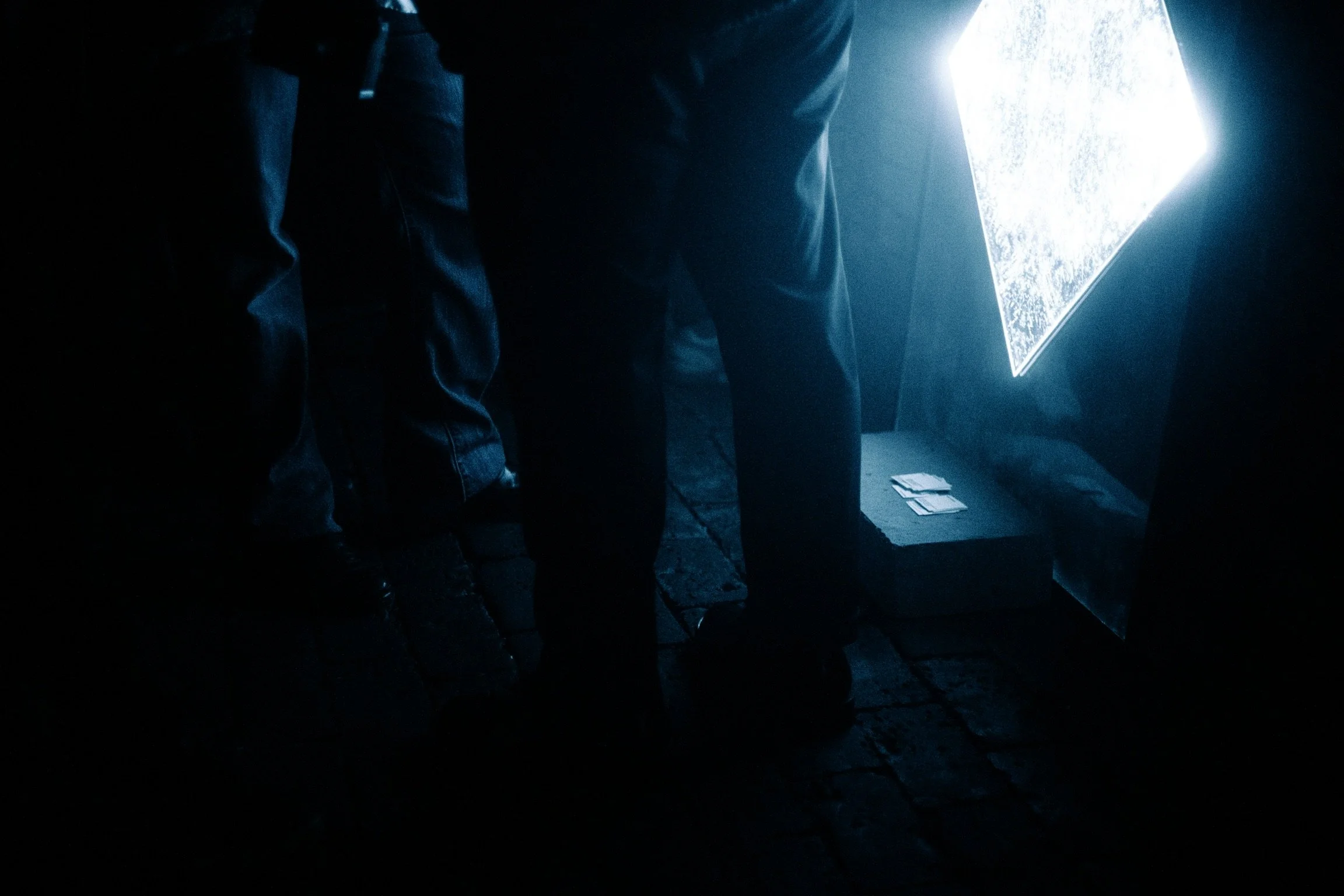
In the Western world, we tend to distinguish ourselves from the forces that dictate our being. To us, Time exists as a current; one which we run alongside but, still, is externalised. That which is confusing to us so commonly takes refuge as a sublime ideal – transcendent, other, and, by nature, inconceivable.
The divination of temporality stops us from recognising that it, too, is delicate, malleable, and subject to the hands of political, religious, and social intervention. How we conceive of our temporality is nothing short of how we conceive of our experience of being and, to that, we owe our contemplation.
As children are taught that Time is something linear and that life should be measured in accordance with each increment of the clock’s hands. We learn that progress, from one to two, from then to now, is the only possible mode of being. We learn, in accordance with the schooling of the church, that all things have a beginning, and all things will come to a definite end. This idea of Time as a matter of consistent progress is a deeply colonial one, and it is also this very rhetoric that has been used to justify continual colonial effect. If we are to take at face value that time moves only linearly, then we subscribe to a world view of downtrodden buried pasts, and moreover that this line represents the singular way of understanding our world.
In Search of Some Phantom aims to provide re-interrogation of the experience of temporality. With a specific consideration of the nature of memory, we look into the entanglement of different timelines, of lineages that are deep rooted in the individual and collective experience, and of the murky space-times that lurk in our subconscious.
Memory acts as an honouring of the complexity of being human - hazy, unforgiving, emancipating, mixed with desires and dreams and stories of others. It situates us across cultures, generations, wars, revolutions. Memory is power, in the form of documentation or the desecration of such. Memories are passed, kept, cherished from mother to child and ever on. Memory does not abide by regimentation or strict structure rather it escapes at random in vivid colour form, seeps out from the subconscious and meanders deep into the dream realms.
Allowing ourselves to be creative about our most intuitive experiences is a necessary step if we are to emerge from any dominant ideology. We advocate here for a mode of being that manifests in greater curiosity. We ask you to look, to really know that you are looking; to feel time passing and to feel the times passed; to search for some phantom and shake hands with it too.
Featuring: David Lazar / Sharon Rose / Misia-O / April Kelly / Laura Higgins / Muhammad Toukhy / Richard Aina / Zhao Jiajing / Scarlett Wang / Cyan Anjou / Megumi Ohata / Patricio Villanueva / Alexis Andreou / Lina A / Zhao Jiajing and Bryan Yueshen Wu / Nite Bjuti / Chagla Mehmet